Community Stories: Preserving the Legacy of Lowcountry Families

In the heart of South Carolina lies the Lowcountry, a region rich in history, culture, and stories that have shaped the lives of its residents for generations. The legacy of Lowcountry families is not just a collection of tales; it is a vibrant tapestry woven from the threads of resilience, tradition, and community spirit. As we delve into the stories of these families, we uncover the importance of preserving their legacies for future generations.
The Historical Significance of Lowcountry Families
The Lowcountry is known for its unique blend of cultures, influenced by Native American, African, European, and Caribbean traditions. This rich history has given rise to families whose stories reflect the diverse experiences of the region.
The Gullah Culture
One of the most significant cultural influences in the Lowcountry is the Gullah culture, which has its roots in the African heritage of enslaved people brought to the region. The Gullah people have preserved their language, customs, and culinary traditions, creating a unique identity that continues to thrive today.
For example, the Gullah language, a creole language that blends English with African dialects, is still spoken by many in the community. This linguistic heritage is a vital part of the Lowcountry's identity, and efforts to preserve it are crucial for maintaining cultural continuity.
The Role of Plantations
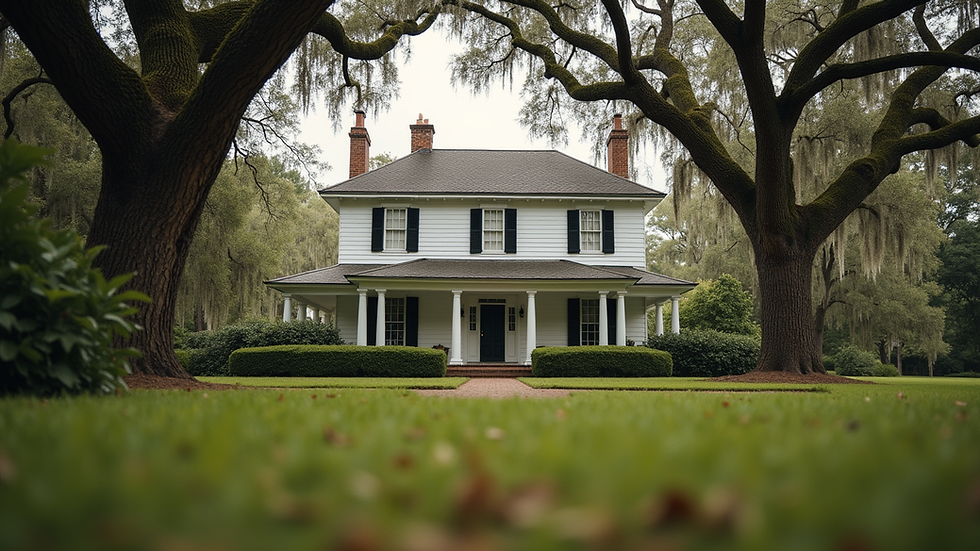
Plantations played a significant role in shaping the lives of Lowcountry families. Many families can trace their ancestry back to the plantation era, where they worked as enslaved individuals or as landowners. The stories of these families often highlight the struggles and triumphs that have defined their existence.
For instance, the history of the Drayton family, who owned Drayton Hall, a historic plantation, illustrates the complexities of this legacy. While the plantation represents wealth and power, it also serves as a reminder of the injustices faced by enslaved people. Today, Drayton Hall is a site of education and reflection, where visitors can learn about the plantation's history and its impact on the community.
The Importance of Storytelling
Storytelling is a powerful tool for preserving the legacies of Lowcountry families. Through oral histories, written accounts, and community gatherings, these stories are passed down from generation to generation.
Oral Histories
Oral histories are an essential aspect of preserving family legacies. They provide a personal connection to the past and allow families to share their experiences in their own words. For example, the Lowcountry Oral History Project has collected numerous interviews with local residents, capturing their stories and experiences.
These narratives not only document individual lives but also contribute to a broader understanding of the region's history. By recording these stories, we ensure that future generations can learn from the past and appreciate the rich tapestry of their heritage.
Written Accounts
In addition to oral histories, written accounts play a vital role in preserving family legacies. Many families have taken the initiative to document their histories through books, articles, and blogs. These written records serve as valuable resources for researchers and community members alike.
For instance, the book "Lowcountry Tales" by local author Pat Conroy captures the essence of Lowcountry life through a series of interconnected stories. By sharing these narratives, families can celebrate their heritage and inspire others to do the same.
Community Involvement in Preservation Efforts
Preserving the legacies of Lowcountry families is not solely the responsibility of individual families; it requires community involvement and support. Various organizations and initiatives are dedicated to this cause, ensuring that the stories of the past are not forgotten.
Local Museums and Historical Societies
Local museums and historical societies play a crucial role in preserving the history of Lowcountry families. These institutions often host events, exhibitions, and educational programs that highlight the region's rich heritage.
For example, the Coastal Discovery Museum in Hilton Head Island offers programs that explore the history of the Gullah people and the impact of the plantation era. By engaging the community in these discussions, museums foster a sense of pride and connection to the past.
Community Events and Festivals
Community events and festivals also serve as platforms for sharing stories and celebrating heritage. Events like the Gullah Festival in Beaufort bring together families to showcase their culture through music, food, and storytelling.
These gatherings not only provide entertainment but also create opportunities for families to connect with one another and share their experiences. By participating in these events, families can strengthen their ties to the community and ensure that their legacies continue to thrive.
Challenges in Preserving Legacies
While there are many efforts to preserve the legacies of Lowcountry families, challenges remain. The passage of time, changing demographics, and the impact of modernization can threaten the continuity of these stories.
The Impact of Modernization
As the Lowcountry continues to develop, the landscape is changing. New construction and urbanization can erase historical sites and disrupt the connections families have to their past. This loss can make it difficult for future generations to understand their heritage.
To combat this, community members and organizations are advocating for the preservation of historical sites and the protection of cultural landmarks. By raising awareness and promoting the importance of these sites, they hope to ensure that future generations can connect with their history.
Generational Gaps
Another challenge in preserving legacies is the generational gap that often exists within families. Younger generations may not feel as connected to their family's history, leading to a decline in the transmission of stories and traditions.
To address this issue, families can actively engage younger members in discussions about their heritage. By sharing stories, traditions, and experiences, they can foster a sense of pride and connection to their roots.
The Future of Lowcountry Family Legacies
As we look to the future, the preservation of Lowcountry family legacies remains a vital endeavor. By embracing storytelling, community involvement, and education, we can ensure that these stories continue to resonate for generations to come.
Embracing Technology
In today's digital age, technology offers new opportunities for preserving and sharing family legacies. Online platforms, social media, and digital archives can help families document their histories and connect with others who share similar backgrounds.
For example, families can create digital family trees, share photos and stories on social media, or contribute to online archives dedicated to preserving local history. These tools can help bridge the gap between generations and foster a sense of community.
Education and Awareness
Education plays a crucial role in preserving the legacies of Lowcountry families. Schools and community organizations can incorporate local history into their curricula, ensuring that students understand the significance of their heritage.
By fostering a sense of pride in their history, young people are more likely to engage with their family's stories and traditions. This connection can lead to a renewed interest in preserving their legacies for future generations.
Conclusion
The stories of Lowcountry families are a vital part of the region's history and identity. By preserving these legacies through storytelling, community involvement, and education, we can ensure that future generations appreciate the rich tapestry of their heritage.
As we celebrate the resilience and spirit of these families, let us remember that their stories are not just relics of the past; they are living narratives that continue to shape our communities today. Embrace your family's history, share your stories, and contribute to the ongoing legacy of the Lowcountry.


Comments